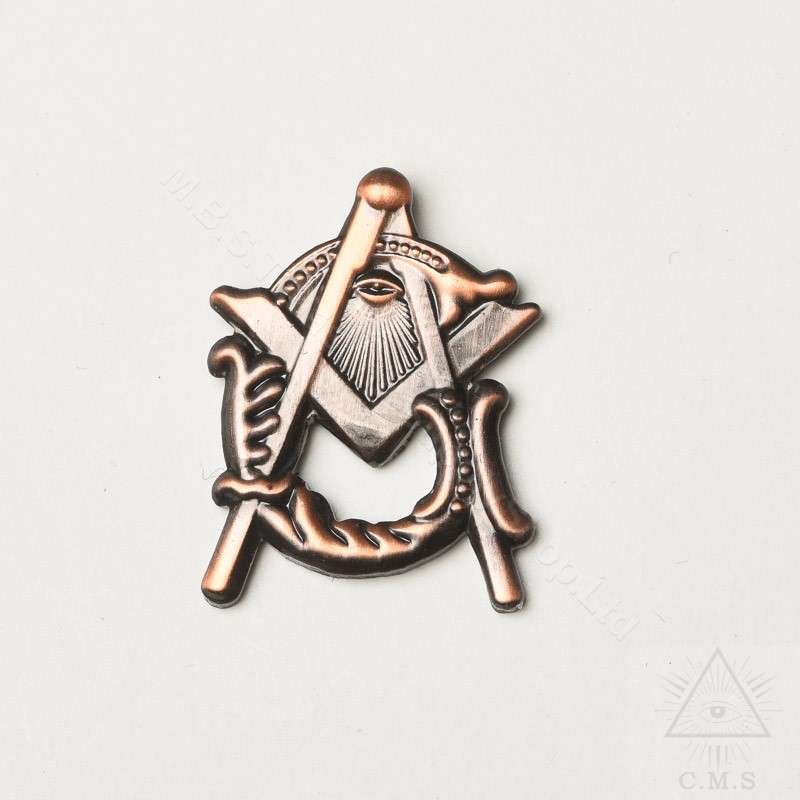
A Masonic lapel pin is the simplest way to show you're a Freemason.
A lapel pin is the most visible way most Masons identify themselves outside the lodge. It's small, inexpensive and easy to wear, and it often starts a conversation. Pins are also among the first gifts a new Brother receives and the most common token of thanks between lodges.
This guide covers the main types of pins, how to wear them and the small points of etiquette that are worth knowing.
The main types
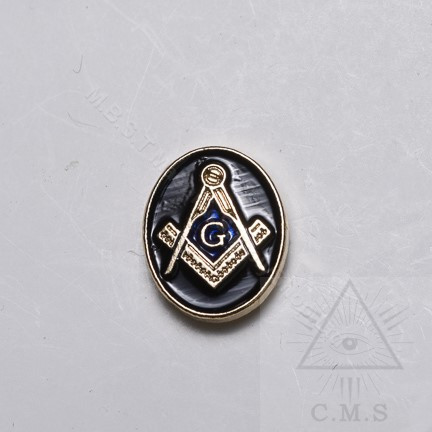
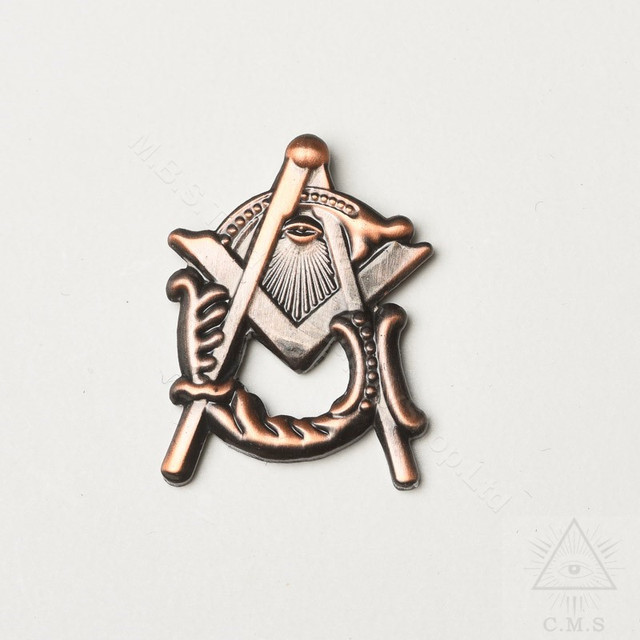
Square and Compasses. The best-known Masonic emblem, usually with the letter G in the center. It's the standard pin for any Master Mason and is worn by Masons around the world.
Degree and office pins. Some pins mark a degree, an office such as Worshipful Master or Past Master, or Grand Lodge rank.
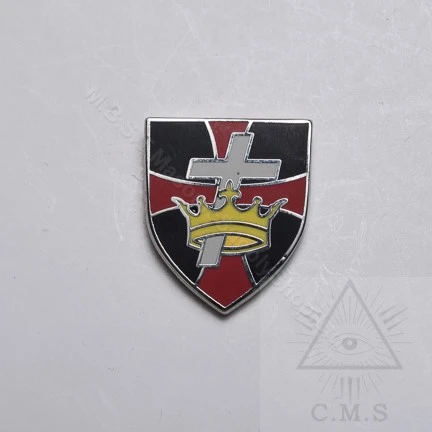
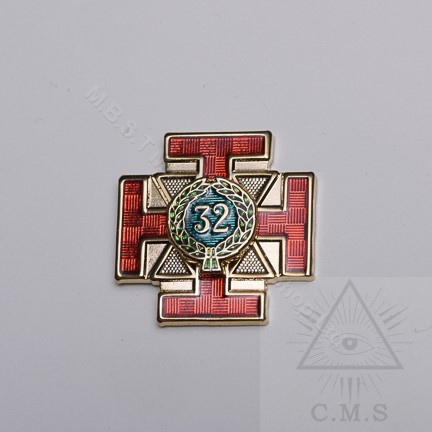
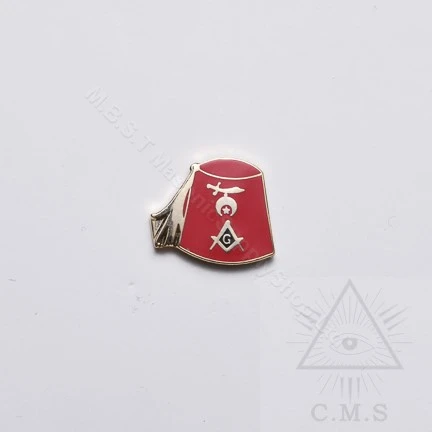
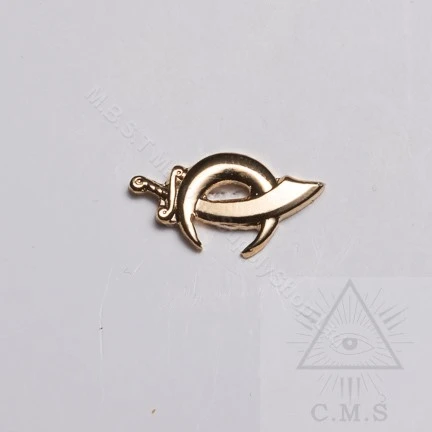
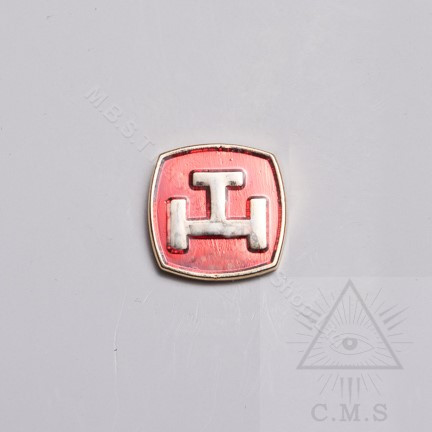
Appendant body pins. Each body has its own emblem: the Royal Arch keystone or triple tau, the Scottish Rite double-headed eagle, the Knights Templar cross and crown, the Shrine scimitar and crescent. Pins for these bodies are normally worn by members of that body.
Service and anniversary pins. Grand Lodges and lodges commonly recognize 25, 50 and more years of membership with a special pin.
Lodge and event pins. Many lodges have their own pin, often marking an anniversary. Grand Lodge sessions, ceremonials and charity events often have commemorative pins too, and some Masons collect them.
How to wear a lapel pin
- The left lapel is the usual choice, over the heart. Many suit jackets have a buttonhole there for exactly this purpose.
- Keep the emblem upright. For the Square and Compasses, most Masons wear the compasses pointing up.
- One or two pins is usually plenty. A lapel covered in pins can look cluttered. Many Brothers choose the pin that best suits the occasion: a Shrine pin for a Shrine event, a lodge pin for a lodge function.
- Match the event. At a formal dinner, a single small, good-quality pin looks best.
Should you wear a pin outside Masonic events?
That's a personal choice. Many Brothers wear a pin every day, as a quiet sign of membership. Others keep it for Masonic events. Either is fine. The thing to remember is that the public may judge Freemasonry by the behavior of the person wearing the pin.
Pins you haven't earned
Wear only the pins of bodies you belong to and offices you've held. Wearing a Past Master's or Scottish Rite pin without the qualification is considered poor form.
A Masonic lapel pin as a gift
A Masonic lapel pin is one of the easiest gifts to get right. It needs no size, suits any budget and is welcome at every stage, from a newly raised Brother to a fifty-year member. Choose a Square and Compasses pin for any Master Mason, or an appendant body pin if you know he belongs to the Royal Arch, Scottish Rite, Knights Templar or Shrine.
Buying pins
Look for a secure clutch back, clear enamel and a size that suits your lapel, often around 3/4 inch for an everyday pin. Masonic Supply Shop carries a wide range of Masonic lapel pins for Craft and appendant bodies. If you're ordering pins for a whole lodge, see pins for lodges.
FAQ
Can a non-Mason wear a Square and Compasses pin?
It's generally seen as reserved for Masons. Family members sometimes wear pins from Masonic family organizations, which have their own emblems.
What's the difference between a lapel pin and a breast jewel?
A breast jewel is worn on regalia in lodge and is usually governed by Grand Lodge rules. A lapel pin is everyday wear.
Do pins come with different backs?
Yes. Butterfly clutches are the most common. Locking backs cost a little more but are less likely to be lost.